
What lenders look at before a business loan
What UK lenders check before a business loan: trading history and turnover, bank statements, business and director credit files, affordability and personal guarantees, with a documents checklist and how we review an application first.
Before a lender agrees a business loan, it wants to see two things: that your company is what it says it is, and that it can afford the repayments from the money it already brings in. For a limited company that has been trading for one to three years, that usually means your trading history and turnover, your business bank statements, the credit files of the business and its directors, and a clear reason for borrowing.
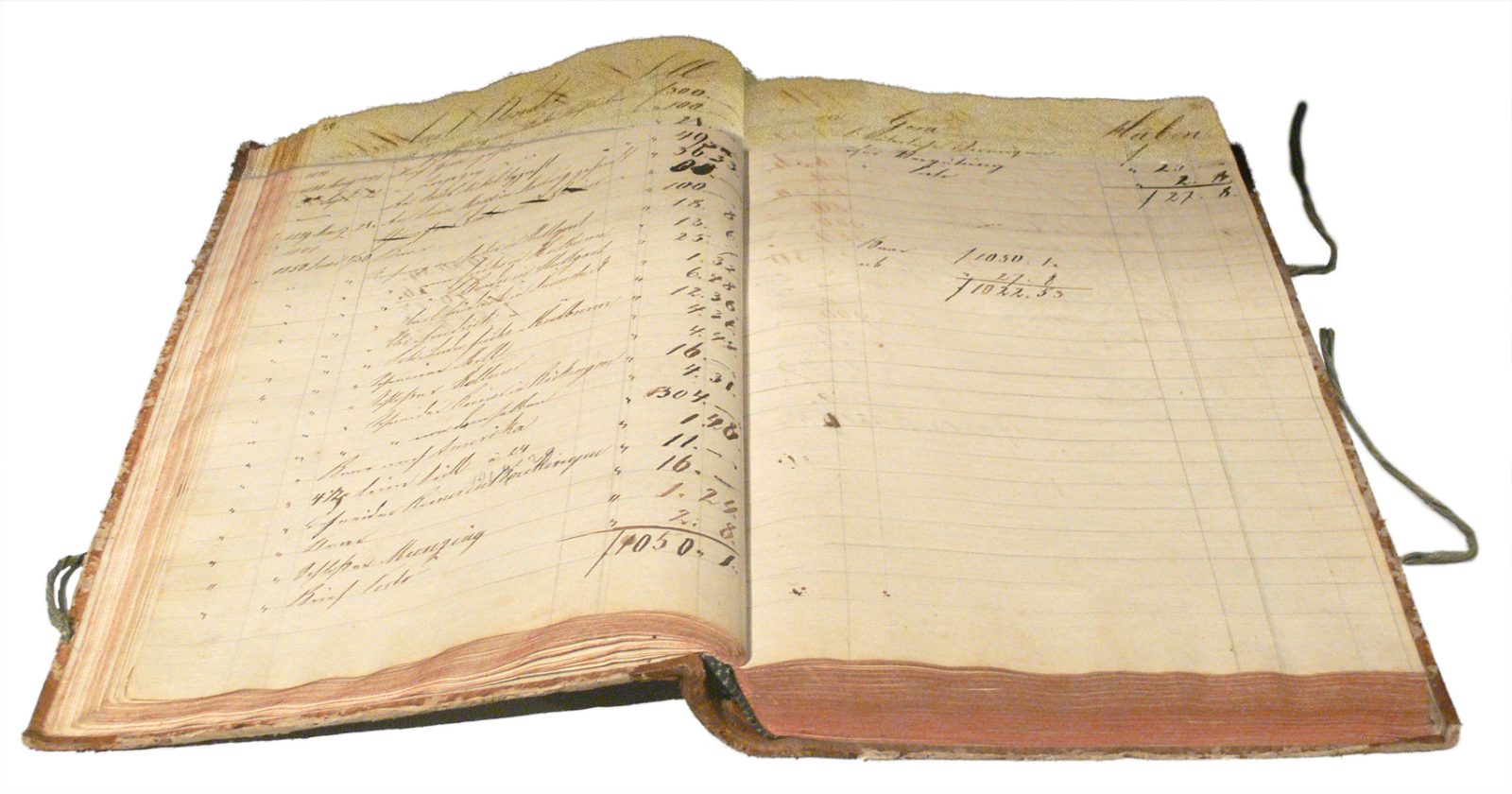
Photo by RaphaelQS, CC0, via Wikimedia Commons
Will a lender consider my business?
Lenders set their own criteria, but what they look at is broadly the same.
Trading history and turnover
How long you have been trading and what you take each year tell a lender how much evidence it has to work with. A company with one year of filed accounts gives a lender less to judge than one with three, so some products will be open to you and others won't yet. Steady or rising turnover also reads very differently from turnover that has dropped sharply.
Business bank statements
Bank statements show how money actually moves through the business, which is often what lenders weigh most. They look at regular income, how close the account runs to zero, whether you are often in your overdraft, and what you already pay out to other lenders and leasing companies. They also check that the income on your statements matches the turnover you put on the application. Some lenders ask you to connect your account through open banking instead of uploading statements, which gives them read-only access to your transactions.
Business and director credit files
Most lenders check the company's credit file. It reflects whether you pay suppliers and lenders on time, how much credit you use, any County Court Judgments (CCJs), and whether your accounts and confirmation statement are filed on time at Companies House. Many lenders also check the personal credit files of the directors, especially for younger companies with a shorter record of their own.
Ask how the lender searches. A soft search doesn't affect a credit score and other lenders can't see it. A hard search is visible to other lenders, and several in a short time can count against you, so applying to lender after lender can make your position worse.
Affordability
This is the core question: can the business meet the new repayments on top of what it already owes? Lenders compare your income with your existing commitments and the proposed repayment.
Why you are borrowing
A specific use, such as new equipment or stock for a confirmed order, with a sensible plan for repayment, is easier for a lender to assess than "working capital".
Personal guarantees
Many unsecured business loans ask directors to sign a personal guarantee. Signing one doesn't affect your personal credit score, but if the company can't repay and the lender calls on the guarantee, you become personally responsible for the debt, and your personal assets could be at risk. Where several directors sign, each may be liable for the full amount. Read the guarantee carefully and take independent advice if you are unsure.
How we review an application before it goes to a lender
When a company owner asks us about finance, we don't start with the amount. We start with the evidence, in this order:
- Companies House. Are the accounts and confirmation statement up to date, and do the registered address and directors match the application?
- Bank statements. We read several months side by side: the regular income, the lowest balance each month, any returned payments, and every existing loan or lease repayment.
- The match. Does the income on the statements support the turnover on the application? If the last few months are weaker than the year before, we ask why and write the reason down.
- Credit. Is there anything a lender will find, such as a CCJ or a missed payment? If there is, it is better to explain it up front than to let the lender discover it.
- The quiet month. Would the new repayment still be affordable in the business's weakest month, not only its average one?
- The fit. Only then do we look at which types of finance and which providers are likely to suit, or whether it is better to wait and fix something first.
What documents should I have ready?
- Your company number and registered address
- Your last one or two years of filed accounts
- Up-to-date management accounts, if your last filed accounts are several months old
- Recent business bank statements for every business account
- Details of existing finance: lender, balance, monthly repayment and end date
- Photo ID and proof of address for each director
- A short note on what the money is for and how it will be repaid
- An explanation of anything unusual, such as a dip in sales or a resolved CCJ
What this means for your business
The checks are predictable, so prepare for them. Check your business credit report for errors and ask the credit reference agency to correct them. Make sure your Companies House filings are up to date. Keep business and personal spending in separate accounts. Apply where you are likely to fit, rather than everywhere at once.
If you are turned down by one of the larger UK banks, ask whether it will refer you under the government's Bank Referral Scheme. With your consent, designated banks pass your details to finance platforms that share them, anonymised, with alternative lenders.
Frequently asked questions
Can I get a business loan after one year of trading?
Some lenders will consider a limited company with a year of trading, but there is less evidence for them to judge, so the choice of products and providers is usually narrower. Approval and terms depend on your trading history.
Do lenders check my personal credit if my company is borrowing?
Many do, particularly for smaller and younger companies. Ask whether the first check is a soft search and when a hard search would be made.
Does a business loan show on my personal credit file?
A loan to your limited company is recorded on the company's file. It can affect you personally if you have signed a personal guarantee and the lender calls on it, or if you use personal borrowing for business costs.
Talk it through with us
Not sure where your business stands? We can review your statements and paperwork with you before anything goes to a lender, then compare options from our panel of lenders and providers. Start with our business finance page or our eligibility check. If you take card payments, you can also book a free card fee review.
Call or WhatsApp 07777 175890.
Jos Finserv Ltd (company no. 14560046) is an independent broker. For business finance we are a credit broker, not a lender, and we may receive commission from providers. Approval and terms depend on your trading history. No obligation.
Sources
- British Business Bank: How does my business credit score impact my finance options?
- Experian: Preparing your business credit profile for finance
- iwoca: Does a business loan affect personal credit?
- money.co.uk: What lenders look for when you apply for a business loan
- GOV.UK: Bank Referral Scheme official statistics
Want us to look at your own numbers?
Tell us how to reach you and we will come back with what is actually available for a business like yours. We are paid by the provider, not by you, so this costs you nothing either way.
- We read your current statement and explain it in plain terms
- No obligation, and no pressure to move if you are already well placed
- One conversation, not a sequence of calls
Prefer to work it out yourself first? Use the card fee calculator, or check whether finance is worth exploring.
