
Card Payments vs Cash: What Is Best for a UK Small Business?
An even-handed comparison of taking cash and taking cards: real costs on both sides, security, record keeping, and why most UK businesses end up taking both.
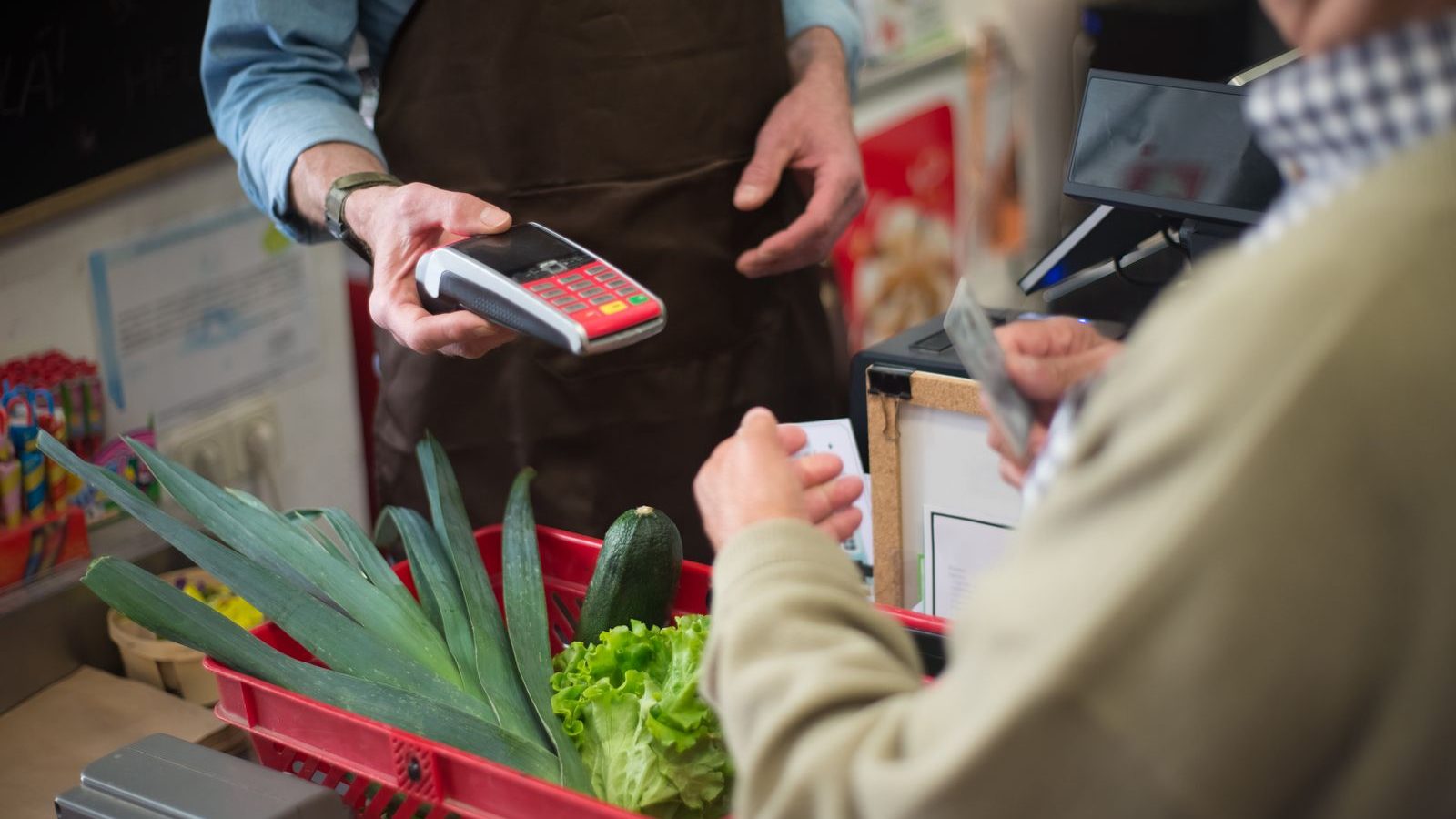
Photo by Kampus Production on Pexels
Cash has one property no card payment can match: when the customer hands it over, it is yours, in full, immediately. Everything else about the comparison is more complicated than either side of the argument usually admits.
Businesses tend to arrive at this question from one of two directions. Either they take only cash and are wondering whether cards are worth the fees, or they take only cards and are wondering whether they are turning customers away. This article sets out both sides honestly. It does not conclude that one is better, because for most UK businesses the answer genuinely depends on who walks through the door.
The costs, on both sides
The mistake in this debate is treating cash as free. It is not; its costs are simply less visible because nobody sends you a statement for them.
| Consideration | Cash | Cards |
|---|---|---|
| Direct fee per sale | None | Percentage, plus often a fixed amount |
| Recurring charges | Banking and insurance costs | Rental, minimums, PCI, statement fees |
| Staff time | Counting, reconciling, banking trips | Reconciliation is largely automatic |
| Security exposure | Theft, loss, counterfeit notes | Chargebacks and disputes |
| Speed of access to funds | Immediate | Next working day or later |
| Record keeping | Manual, error-prone | Generated automatically |
| Error rate | Miscounting, wrong change | Very low |
Cash costs land in wages, banking arrangements, insurance and the owner's own time. A shop where a manager spends twenty minutes cashing up and makes two banking trips a week is spending real money on cash acceptance; it simply arrives as labour rather than as a line item.
Card costs are explicit and therefore easier to resent, but also easier to compare and negotiate. We cover the full structure in how much a card machine costs in the UK.
Are you obliged to accept either?
There is a persistent belief that a UK business must accept cash. It is not correct. A business is generally free to decide which methods of payment it accepts, provided it makes that clear before the customer commits.
Equally, no business is obliged to accept cards.
The genuine constraint is commercial rather than legal, with one important caveat: refusing cash can disadvantage customers who rely on it, including some older and disabled customers and people without full access to banking. That is a reason to think carefully about a cash-free policy on fairness grounds, and about the reputational consequences, even where you are permitted to adopt one.
Where cash still holds up
- Very low-value sales. A newsagent selling a single newspaper may find fixed per-transaction fees uncomfortable relative to the sale.
- Poor connectivity. A stall in a valley with no signal cannot rely on card acceptance alone.
- Customer base preference. Some markets, some rural areas and some age profiles still use cash heavily.
- No fee on the transaction itself. For a business with thin margins on small items, this is not trivial.
- Immediate funds. No settlement delay, which matters if you pay suppliers in cash.
Where cards hold up
- Larger purchases. Customers frequently do not carry enough cash for a substantial buy, and losing a sale costs far more than the fee on it.
- Speed at peak. Contactless is usually quicker than making change.
- Cash flow certainty for trades. Taking payment on completion, at the customer's door, beats invoicing and waiting.
- Record keeping. Card takings reconcile themselves, which reduces bookkeeping time and errors in your HMRC records.
- Reduced cash on premises. Less to steal, less to count, less to bank.
- Serving visitors. Tourists and out-of-area customers often have no local cash at all.
The security question, honestly
Both carry risk; they are different risks.
Cash risk is physical and immediate: theft from the till, theft in transit to the bank, internal shrinkage, counterfeit notes, and simple miscounting. It is also uninsured beyond whatever limits your policy specifies, and once gone it is generally gone.
Card risk is procedural: chargebacks where a customer disputes a payment, and your obligations under PCI DSS v4.0.1, mandatory since 1 April 2025. For a business using a physical terminal this usually means an annual Self-Assessment Questionnaire through your acquirer rather than an audit.
Neither risk profile is obviously worse. A business holding several thousand pounds overnight and a business with a high chargeback rate both have a problem worth managing.
Record keeping and tax
Whatever you accept, you must keep accurate records of income. Cash makes this harder, not optional.
Practical measures for cash-taking businesses:
- Cash up daily and record the figure the same day
- Reconcile the till against recorded sales, and investigate differences rather than absorbing them
- Bank regularly and keep the paying-in records
- Never take cash from the till for expenses without documenting it
- Keep records for the period HMRC requires for your business type
Card takings arrive with a statement, which is a genuine administrative advantage rather than a marketing point.
Why most businesses take both
The realistic answer for the majority of UK small businesses is a mix, because the customer decides and turning away a willing buyer is the most expensive option on the table.
The useful question is therefore not cash or cards but:
- What proportion of my sales would I lose if I stopped taking one of them?
- What does handling cash cost me in staff time and banking?
- What does card acceptance cost me in fees for my particular transaction sizes?
- Which of these costs can I actually change?
That last one matters. Cash handling costs are largely fixed by your operation. Card fees are negotiable and reviewable, which is why they deserve periodic attention rather than resentment.
Key takeaways
- Cash is not free; its costs appear as staff time, banking and security
- UK businesses are generally free to choose which payment methods they accept
- Refusing cash raises fairness questions for customers who depend on it
- Fixed per-transaction card fees matter most on very low-value sales
- Card takings reconcile automatically, reducing bookkeeping time and error
- Most businesses lose least by accepting both
How Jos Finserv Can Help
Jos Finserv can help eligible UK businesses explore the card payment options available to them, including businesses taking cards for the first time and those reviewing whether their current arrangement still fits how they trade.
We are a broker rather than a payment provider. What is available depends on provider criteria and the circumstances of the individual business, and we would not suggest a business change how it takes payment where the current arrangement is working well.
Considering adding card payments to your business?
Explore the options available through Jos Finserv or work out what card acceptance would cost you.
Important: This article is general information about payment acceptance and record keeping, not tax, legal or accounting advice. Businesses should confirm their own record-keeping obligations with HMRC or a qualified accountant. Payment solutions are subject to provider eligibility criteria; fees and terms vary and nothing here is a quote.
Want us to look at your own numbers?
Tell us how to reach you and we will come back with what is actually available for a business like yours. We are paid by the provider, not by you, so this costs you nothing either way.
- We read your current statement and explain it in plain terms
- No obligation, and no pressure to move if you are already well placed
- One conversation, not a sequence of calls
Prefer to work it out yourself first? Use the card fee calculator, or check whether finance is worth exploring.
