
Autumn Budget 2026: what small businesses should do now
The Autumn Budget is on Wednesday 28 October 2026. What is already confirmed for small businesses, what is still speculation, and five practical things to check before Budget day.
The Autumn Budget lands on Wednesday 28 October 2026, and until the Chancellor sits down nobody outside the Treasury knows exactly what it contains. The useful thing a small business can do this week is separate what is already confirmed from what is guesswork, and get its own numbers ready so it can react quickly either way.
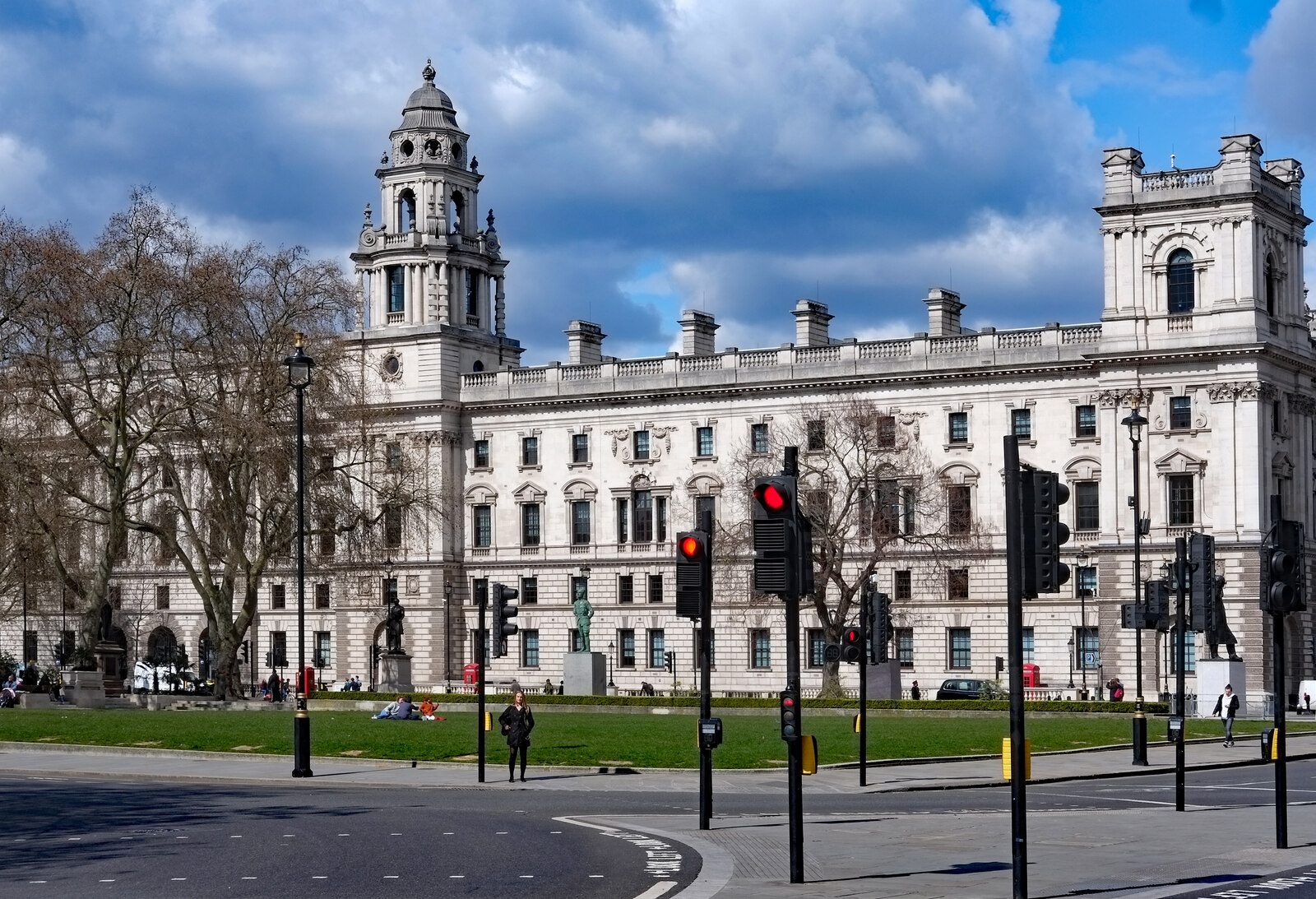
Photo: Westminster , HM Treasury building - geograph.org.uk - 6802743 by Jim Osley, CC BY-SA 2.0, via Wikimedia Commons
The government confirmed the date in a letter to the Treasury Select Committee at the end of July. Since then there has been a steady stream of predictions. Some will turn out to be right and many will not. Here is what we know, what is still open, and a short checklist to work through before Wednesday.
What is already confirmed
Several changes that affect small firms are already decided, whatever happens on Budget day.
Wage costs went up in April
The National Living Wage for workers aged 21 and over rose to £12.71 an hour on 1 April 2026, up from £12.21. The rate for 18 to 20 year olds rose to £10.85, and the under-18 and apprentice rate to £8.00. A further rise from April 2027 is expected to be announced, but no figure has been confirmed, so treat any number you see before then as an estimate.
Making Tax Digital keeps widening
Making Tax Digital for Income Tax became mandatory on 6 April 2026 for sole traders and landlords with qualifying income over £50,000. The threshold falls to £30,000 from 6 April 2027 and to £20,000 from 6 April 2028. Qualifying income means gross income from self-employment and property, not profit, so plenty of small traders will be caught sooner than they expect. Limited companies are not in scope of this part of MTD, but directors with rental or self-employed income on the side may be.
A rates cut for pubs and live music venues in England
In July the government announced a 20% cut to business rates bills for pubs, social clubs and live music venues in England from April 2027, on top of the existing 15% relief for 2026/27. The very largest live music venues are excluded, and so are hotels, restaurants, cafés and cinemas. The exact qualifying rules, including how "hybrid" premises such as café-bars are treated, are due in the Budget. Business rates are devolved, so Wales and Scotland decide separately whether to follow.
What is not confirmed
The government has also promised wider business rates reform at the Budget, including a look at Small Business Rates Relief. There is speculation about raising the relief threshold, about employer costs, capital allowances and capital gains tax. None of it is confirmed. Until the Budget documents are published on GOV.UK, plan around what is known and treat the rest as possibilities.
What this means for your business
For most owners the Budget is less about one headline measure and more about the total cost of running the business next year. Wages, rates, energy, card fees and borrowing costs all add up, and a change to any one of them shifts your cash flow.
The businesses that cope best with a Budget are not the ones that guess the measures correctly. They are the ones that already know their monthly costs, their quiet months and how much headroom they have. If you know those numbers, you can tell within a day whether a new measure matters to you.
Five things to do before Wednesday
- Write down your fixed monthly costs. Rent, rates, wages, loan repayments, software and card processing fees. You need a starting point to measure any change against.
- Build a simple three-month cash flow forecast. Add a "what if" column: what happens if wage costs or rates rise again, or if takings dip after Christmas? January and February are often the tightest months for retail and hospitality.
- Check your business rates position. Look at your current bill and whether you claim the reliefs you are entitled to. If you run a pub or venue in England, note that the April 2027 cut depends on rules published in the Budget.
- Review the costs you control. You cannot change what the Chancellor announces, but you can check what you pay to take card payments. Look at your last three statements for the effective rate, terminal rental, monthly minimums and any PCI fees. Our free card fee review compares your current costs with what is available, with no obligation.
- Look at finance options before you need them. If the Budget squeezes your margins, the worst time to look for working capital is the week a bill is due. Knowing what you could access, and what it would cost, gives you time to choose. Approval and terms depend on your trading history.
After the Budget
On Wednesday afternoon the full Budget documents and HMRC policy papers appear on GOV.UK. Read the measures that affect you there rather than relying on headlines, and check the start date of each one. Many changes take effect from April, not immediately, which gives you time to plan. If something changes your costs, update the forecast you built this week and decide what to do while you still have options.
Frequently asked questions
When is the Autumn Budget 2026?
Wednesday 28 October 2026. The government confirmed the date in a letter to the Treasury Select Committee published on 31 July 2026.
Will the Budget change my business rates?
Possibly. The 20% cut for pubs, social clubs and live music venues in England from April 2027 is already announced, with the detailed rules due in the Budget. Wider changes, including to Small Business Rates Relief, have been promised but not confirmed. If you are in Wales or Scotland, rates policy is set by the devolved governments.
Should I wait for the Budget before applying for business finance?
Not necessarily. The Budget may affect your costs, but lenders mainly look at your own trading history, accounts and affordability. It can help to understand your options now so you are not rushed later. We are a credit broker, not a lender, and approval and terms depend on your trading history.
Talk to us
If you want a second pair of eyes on your costs before or after the Budget, we can help in two practical ways:
- Book a free card fee review to see what you are paying to take card payments and whether a different setup would suit you better.
- Explore business finance from £1,000 to £15 million, including business loans and revenue-based finance, with no obligation.
Call or WhatsApp 07777 175890, or email sales@josfinserv.co.uk.
Jos Finserv Ltd (company no. 14560046) is an independent broker. For business finance we are a credit broker, not a lender, and we may receive commission from providers. Approval and terms depend on your trading history. No obligation.
Sources
- GOV.UK – Chancellor letter to the Treasury Select Committee: Budget 2026 date
- Business Wales – National Minimum Wage and National Living Wage rates 2026
- LITRG – When does Making Tax Digital for Income Tax start for me?
- Grant Thornton – Business rates cuts for pubs and clubs: welcome, but partial
- Simply Business – Autumn Budget 2026 for small business
Want us to look at your own numbers?
Tell us how to reach you and we will come back with what is actually available for a business like yours. We are paid by the provider, not by you, so this costs you nothing either way.
- We read your current statement and explain it in plain terms
- No obligation, and no pressure to move if you are already well placed
- One conversation, not a sequence of calls
Prefer to work it out yourself first? Use the card fee calculator, or check whether finance is worth exploring.
